

The contraceptive pill does not treat a condition with specific “symptoms”. However, your body may experience some changes when starting hormonal contraception. These effects often improve as your body adjusts to the contraception. If side effects continue to bother you, speak to a pharmacist or healthcare professional.

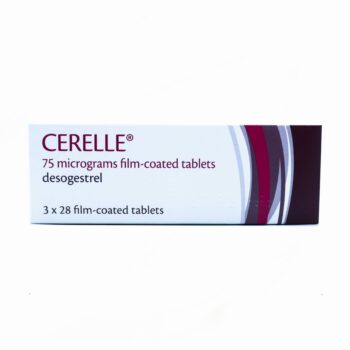

Your experience with hormonal contraception may change over time. Some changes are common, while others may indicate that you should speak to a healthcare professional.
Several factors can reduce the protection provided by oral contraceptive pills.
A few simple habits can help you use oral contraception correctly and consistently.
Speak to a pharmacist, doctor or sexual health professional if:
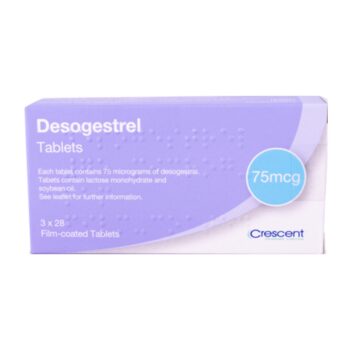
There are two main types of contraceptive pill: the combined contraceptive pill, which contains oestrogen and progestogen, and the progestogen-only pill, which contains progestogen without oestrogen.
The most appropriate option depends on your medical history and individual circumstances.
Yes. Pharmaceutra allows eligible patients to request contraceptive treatment following an online health consultation. A UK-registered prescriber reviews your information before deciding whether the requested medicine is suitable.
Combined pills contain both oestrogen and progestogen, while progestogen-only pills contain only progestogen.
Because progestogen-only pills do not contain oestrogen, they may be suitable for some people who cannot use combined hormonal contraception.
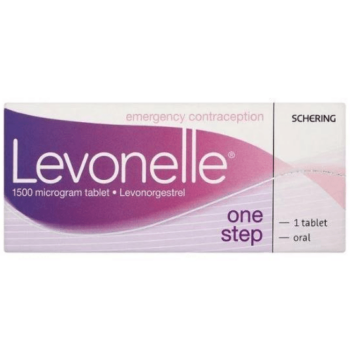
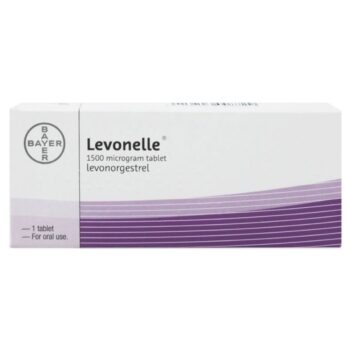
Yes. The current Pharmaceutra contraception range includes Levonorgestrel 1.5mg and Levonelle 1.5mg emergency contraception.
Emergency contraception should be accessed as soon as possible after unprotected sex because it is generally more effective the sooner it is used.
Prices depend on the treatment selected. Please check the individual product page for the latest price before starting your assessment.
Both combined and progestogen-only pills are more than 99% effective with perfect use. With typical use, effectiveness is approximately 91%, as pills may occasionally be missed or taken incorrectly.
The correct action depends on the type of pill, how many pills you missed and where you are in your pack.
Check the patient information leaflet supplied with your medicine or speak to a pharmacist or healthcare professional. Emergency contraception may be necessary in some circumstances.
No. Contraceptive pills do not protect against sexually transmitted infections. Condoms can help reduce the risk of HIV and other STIs.
Yes. Vomiting soon after taking your pill or experiencing severe diarrhoea may affect absorption and reduce contraceptive protection.
Follow the instructions provided with your specific pill and ask a pharmacist if you are unsure what to do.
Yes. Certain medicines used for conditions such as epilepsy, tuberculosis and HIV can interact with hormonal contraception. St John’s wort can also affect some contraceptive pills.
Always tell your prescriber about all medicines, supplements and herbal products you use.