

Hair loss is not usually a serious medical problem, but it can affect confidence, self-esteem and emotional wellbeing.
Some people notice gradual thinning over several years, while others may experience more sudden shedding or patches of hair loss. The pattern and cause of hair loss can vary considerably, which is why identifying the likely cause is an important part of choosing an appropriate treatment.
For some forms of hair loss, treatment may help slow further loss or encourage hair growth. However, no hair loss treatment works for everyone, and continued treatment may be needed to maintain results.
Common signs of hair loss can include:
Hair loss does not always look the same. The pattern can provide useful clues about the possible cause.
Male pattern hair loss often begins with gradual recession around the temples and front of the scalp.
Hair may gradually become thinner on the top or crown of the scalp.
Female pattern hair loss commonly causes diffuse thinning across the top of the scalp.
With pattern hair loss, affected follicles gradually produce hairs that are thinner, shorter and lighter.
You may notice more hair than usual coming out when washing, brushing or styling your hair.
Sudden shedding or clearly defined bald patches may have a different cause from pattern hair loss and should be assessed by a healthcare professional.
Hair loss can develop for many different reasons. Some types are permanent, while others are temporary and may improve when the underlying cause is addressed.
Male and female pattern hair loss are influenced by genetic and hormonal factors.
Hair naturally becomes thinner for many people as they get older.
Significant physical or emotional stress can contribute to temporary increased hair shedding.
Some illnesses can cause temporary hair loss. Hair growth may recover once the underlying illness improves.
Significant or rapid weight loss can sometimes contribute to temporary hair shedding.
Iron deficiency is another recognised cause of hair loss and may need medical assessment.
Certain medical treatments, including some cancer treatments, can cause temporary or more significant hair loss.
Hormonal changes or conditions can sometimes contribute to hair thinning.
Lifestyle changes cannot reverse every type of hair loss, particularly genetically determined pattern hair loss. However, looking after your hair, scalp and general health may help reduce avoidable damage and support healthy hair growth.
Try to maintain a varied diet containing enough protein, iron and other essential nutrients.
Avoid excessive pulling, aggressive brushing and hairstyles that place persistent tension on the hair.
Hair loss treatment usually requires patience. Minoxidil may need to be used for at least several months before a benefit becomes apparent.
Thinning or bald areas of the scalp have less natural protection from sunlight.
Regular exercise, adequate sleep and stress-management techniques may support general wellbeing.
Be cautious about supplements or treatments that promise guaranteed or permanent hair regrowth.
Most hair loss is not medically serious. However, you should speak to a GP or healthcare professional if you are concerned about your hair loss or if the cause is unclear.
The NHS advises establishing the cause of hair loss with a healthcare professional before going to a commercial hair clinic.
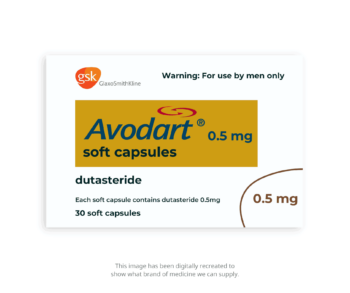
You should also speak to your healthcare professional if you experience persistent changes in sexual function while taking finasteride or dutasteride.
There is no specific food that everyone experiencing hair loss needs to avoid.
However, very restrictive diets, crash diets and rapid weight-loss programmes should be approached carefully, as significant weight loss and nutritional deficiencies can contribute to hair shedding.
Rather than excluding individual foods unnecessarily, aim to maintain a varied and balanced diet.
If you think your hair loss may be related to a nutritional deficiency, speak to a healthcare professional before taking high-dose supplements.
Hair supplements should not be considered a replacement for diagnosing and treating the underlying cause of hair loss.
There is no particular food that has been proven to reverse male or female pattern hair loss.
However, a healthy and balanced diet helps provide the nutrients required for normal hair growth.
A balanced diet can include:
Iron deficiency can contribute to hair loss, so anyone suspected of having iron deficiency should speak to a healthcare professional rather than self-treating with high-dose iron supplements.
Good nutrition can support normal hair growth, but diet alone will not usually reverse genetically determined pattern hair loss.
There is no single treatment that works best for everyone.
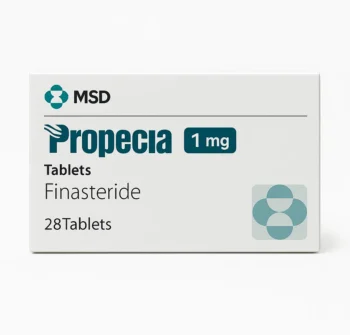
For male pattern baldness, Finasteride and Minoxidil are the main established treatments. Minoxidil can also be used for female pattern hair loss. The appropriate treatment depends on your sex, the type of hair loss, your medical history and other individual factors.
Yes. Pharmaceutra provides access to selected hair loss treatments online.
Prescription treatments require an appropriate consultation so that a prescriber can review your medical information and determine whether the requested medicine is suitable.
Male pattern baldness, also known as male pattern hair loss or androgenetic alopecia, is the most common type of hair loss in men.
It commonly causes recession of the frontal hairline and thinning from the top or crown of the scalp. Genetic and hormonal factors, particularly the effect of DHT on susceptible hair follicles, contribute to the condition.
Female pattern hair loss usually causes gradual thinning across the top of the scalp.
The central parting may become wider and more visible while the frontal hairline often remains relatively unchanged. It is also influenced by genetic and hormonal factors.
Minoxidil can help slow pattern hair loss and stimulate some hair growth in certain people.
It does not work for everyone, and several months of regular treatment may be needed before a benefit becomes noticeable. Any improvement is generally maintained only while treatment continues.
For male pattern hair loss, the British Association of Dermatologists advises that Minoxidil may need to be used for at least 6 months, and sometimes up to 12 months, before a noticeable benefit develops.
Yes. Some people notice increased hair shedding during the first few weeks after beginning Minoxidil.
This initial shedding usually settles as treatment continues.
Finasteride reduces the formation of DHT, a hormone that contributes to the shrinking of susceptible scalp hair follicles in male pattern hair loss.
Reducing DHT can help slow further hair loss and may encourage some regrowth.
Hair growth is slow, so results are not immediate.
NHS guidance states that some improvement from Finasteride for hair loss may be seen after approximately 3 to 6 months, although response varies between individuals.
Finasteride only provides benefit while treatment continues.
If you stop taking it, the hair loss process usually starts again and improvements achieved during treatment may gradually be lost.
Finasteride is generally not recommended for women. It is mainly prescribed for male pattern hair loss in men.
Minoxidil is an established treatment option that can be used for female pattern hair loss when appropriate.
Yes. Possible side effects include reduced sexual desire and difficulty getting an erection.
Finasteride has also been associated with depression, suicidal thoughts and sexual dysfunction that may persist after treatment is stopped. Patients should read the patient information leaflet and the finasteride patient alert card supplied with the medicine.
No. Both medicines belong to the same class of medicines and reduce DHT, but they are different medicines.
Finasteride 1mg is indicated for male pattern hair loss. Dutasteride 0.5mg is licensed in the UK for benign prostatic hyperplasia rather than hair loss, so prescribing dutasteride specifically for hair loss is off-label.
Yes. Significant physical or emotional stress can contribute to temporary hair shedding in some people. Hair loss may improve once the trigger has resolved.
Significant or rapid weight loss can contribute to temporary hair shedding.
If unexplained hair loss develops after major weight loss or dietary restriction, speak to a healthcare professional.
Yes. Iron deficiency is one recognised cause of hair loss.
If a deficiency is suspected, it is better to have it appropriately assessed rather than starting iron supplements without medical advice.
It depends on the cause.
Some temporary forms of hair loss may improve or grow back once the underlying trigger has resolved. Male and female pattern hair loss are progressive conditions and currently do not have a permanent cure, although treatments can help slow progression and improve hair growth in some people.
You should speak to a healthcare professional if you are worried about your hair loss, if it develops suddenly, if you have patches of complete hair loss, or if you are unsure what is causing it.
Getting the cause assessed is particularly important before starting treatment because different types of hair loss require different approaches.