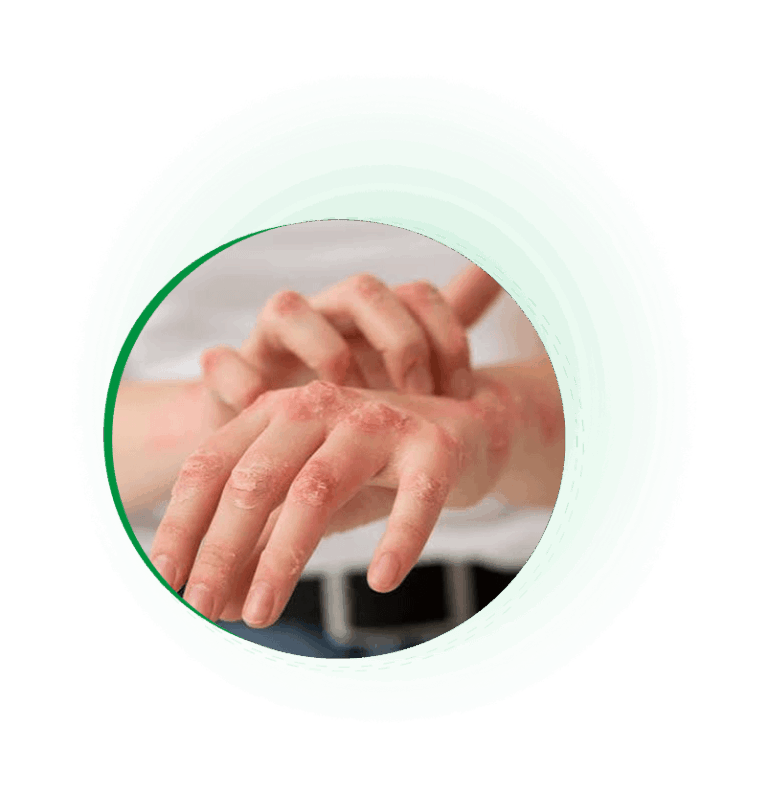


Eczema can be uncomfortable and difficult to ignore, particularly during a flare-up. Persistent itching, dryness and irritated skin may interfere with sleep, work and everyday activities.
Symptoms often improve and worsen over time. Identifying your triggers, moisturising regularly and using suitable treatment during flare-ups can help keep eczema under control.
Eczema can look and feel different from person to person. Symptoms may also vary depending on your skin tone and the area of the body affected.
Common signs include:
Eczema commonly affects areas such as the hands, elbows and knees, although it can occur on many parts of the body.
The exact cause of eczema is not always known. It is often linked to a combination of genetic and environmental factors that affect the skin’s protective barrier.
People with a personal or family history of eczema, asthma or hay fever may be more likely to develop atopic eczema.
Triggers vary between individuals. Keeping track of when your eczema becomes worse may help you identify factors that contribute to your flare-ups.
Eczema is not contagious and cannot be passed from one person to another.
Alongside prescribed treatment, simple changes to your everyday skincare routine can help protect the skin and reduce irritation.
Apply an emollient or moisturiser regularly, even when your eczema appears to be under control.
Traditional soaps, fragranced shower gels and some detergents can irritate eczema-prone skin.
Scratching can damage the skin and make eczema worse. Keep your nails short and try gently rubbing itchy skin rather than scratching it.
Heat and sweating may make itching worse. Wear comfortable, breathable clothing and avoid becoming excessively hot where possible.
Pay attention to products, fabrics, environmental conditions or activities that appear to make your symptoms worse.
Prescription eczema treatments should be used according to your prescriber’s instructions.
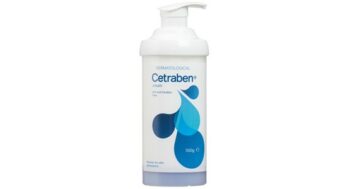
Emollients are an important part of eczema management and should generally continue to be used even when symptoms improve.
Important: Emollient residue can build up on clothing, bedding and dressings and make fabrics more easily ignited. Keep away from cigarettes and naked flames.
Eczema can often be managed with moisturisers and appropriate treatment, but some symptoms should be assessed by a healthcare professional.
Seek medical advice if:
There is no single list of foods that everyone with eczema needs to avoid.
Food does not cause eczema in most people, and you should not remove foods or entire food groups from your diet simply because you have eczema.
If you consistently notice that a particular food causes an immediate reaction or appears to worsen your symptoms, speak to a healthcare professional. Allergy assessment may be appropriate in some circumstances.
There is no specific food or diet proven to cure eczema.
Instead, aim for a healthy, balanced diet containing a variety of foods such as:
A nutritious diet supports your overall health, but eczema treatment should continue to focus on appropriate skincare, avoiding individual triggers and using medication where recommended.
If you suspect a genuine food allergy is contributing to your eczema, discuss this with a healthcare professional rather than starting a restrictive diet yourself.
The best eczema cream depends on your symptoms, the severity of your eczema and where it appears on your body. Emollients are commonly used to moisturise and protect dry skin, while topical corticosteroids or other prescription treatments may be recommended during flare-ups. A prescriber can help determine which treatment is suitable.
Yes. Pharmaceutra provides access to selected eczema treatments following an online medical consultation. A UK-registered prescriber will assess your information and determine whether the requested treatment is appropriate before a prescription is issued.
Eczema can affect different areas of the body and new patches may appear during a flare-up. However, eczema itself is not contagious, so it cannot be passed to another person.
Triggers differ between individuals but may include soaps, detergents, fragrances, certain fabrics, allergens, changes in temperature, overheating, stress and skin infections. Identifying and avoiding your individual triggers may help reduce flare-ups.
Emollients should be used regularly and frequently. NHS guidance recommends applying moisturising treatments at least twice a day and continuing to moisturise even when your eczema improves.
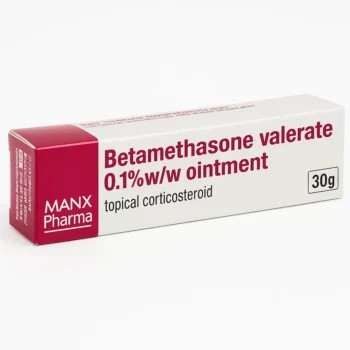
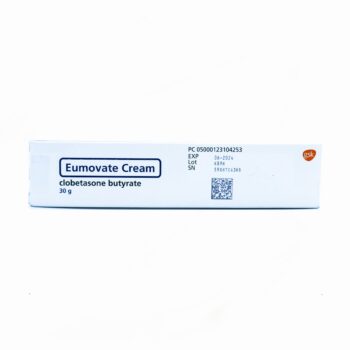
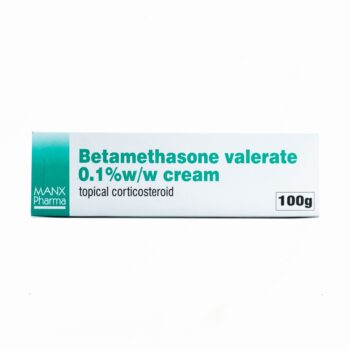
Betamethasone is a topical corticosteroid used to reduce inflammation associated with skin conditions such as eczema. It can help relieve symptoms such as redness, swelling and itching. It should be used according to the instructions given by your prescriber.
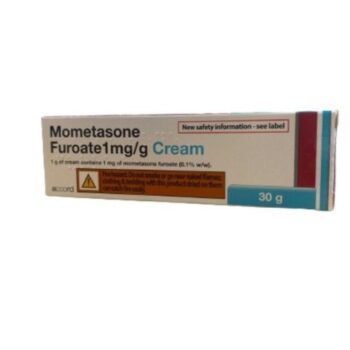
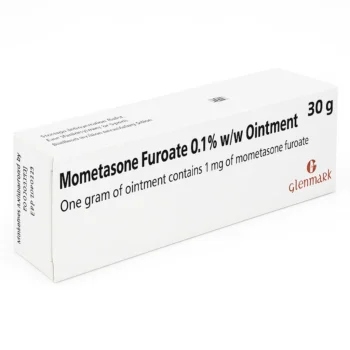
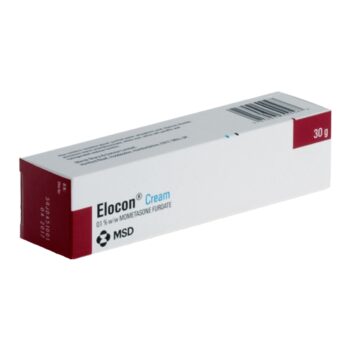
Mometasone is a topical corticosteroid that can be prescribed for inflammatory skin conditions such as eczema. It helps reduce inflammation, redness and itching. Use it only as directed and on the areas recommended by your prescriber.
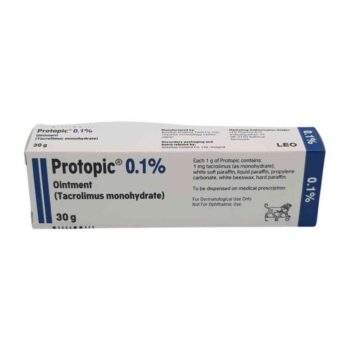
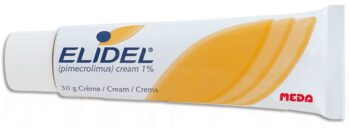
Protopic contains tacrolimus and Elidel contains pimecrolimus. They are topical calcineurin inhibitors that can be used for certain cases of eczema when appropriate. They do not contain corticosteroids and should be used according to medical advice.
No. Eczema is not contagious. You cannot catch eczema from someone else or spread it through physical contact.
Stress may contribute to eczema flare-ups in some people. Managing stress may therefore form part of an overall approach to controlling individual triggers.
Not routinely. There is no standard eczema diet and you should not eliminate foods unless there is a clear reason to suspect an allergy or you have been advised to do so by a healthcare professional.
The skin around the eyes is thin and sensitive, and not all eczema treatments are suitable for this area. Speak to a healthcare professional before applying prescription creams or ointments around the eyes.
There is currently no cure for atopic eczema, but symptoms can often be controlled with regular skincare, avoidance of known triggers and appropriate treatment. Some people experience long periods with few or no symptoms between flare-ups.