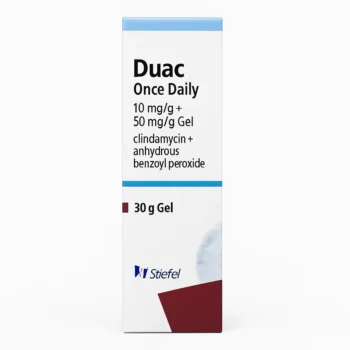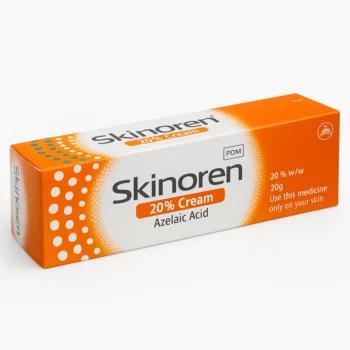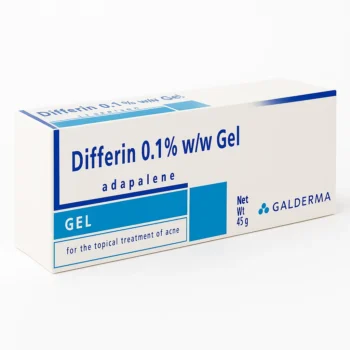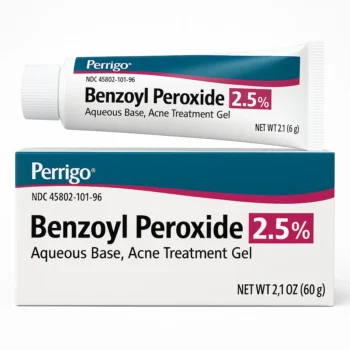


Acne is very common, but persistent breakouts can still affect everyday comfort, confidence and wellbeing.
The right treatment depends on the type and severity of acne you have. Mild acne may sometimes be managed with pharmacy treatments, while moderate or severe acne may require prescription creams, gels or oral medicines. Prescription treatments can take several weeks to produce noticeable improvement, so consistency is important.
Common symptoms of acne include:
Acne can appear in several different forms. Some people may experience only one type of spot, while others develop a combination.
Acne develops when hair follicles in the skin become blocked by excess oil and dead skin cells. Changes in sebum production, hormones, blocked follicles and bacteria on the skin can all contribute to inflammation and the development of spots.
Acne is not simply caused by dirty skin or poor hygiene. Washing excessively or using harsh products can irritate the skin and may make symptoms worse.
Alongside appropriate treatment, a gentle and consistent skincare routine can help reduce irritation and support acne-prone skin.
Wash acne-prone areas using a gentle cleanser and lukewarm water. Avoid repeatedly washing or aggressively scrubbing the skin.
Picking, squeezing or scratching spots can increase inflammation and may increase the risk of scarring.
Where possible, choose skincare, moisturisers, make-up and sunscreens that are described as non-comedogenic or non-oil-based, as these are less likely to block pores.
Remove make-up thoroughly at the end of the day before cleansing your skin.
Acne treatment is not usually immediate. Many prescription treatments need several weeks of regular use before a noticeable improvement occurs.
Use prescription treatments exactly as advised by your prescriber or according to the patient information leaflet. Using more medicine than recommended is unlikely to make acne clear faster and may increase irritation.
Speak to a healthcare professional if your acne is persistent, becoming more severe or is not responding to appropriate treatment.
Medical advice is particularly important if you experience:
More severe acne, nodulo-cystic acne or acne associated with scarring may require assessment by a specialist dermatology service.
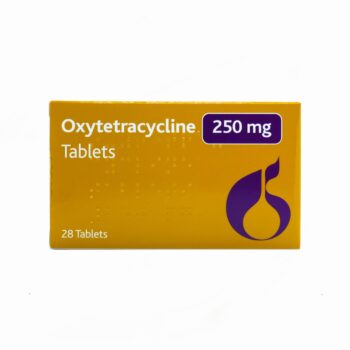
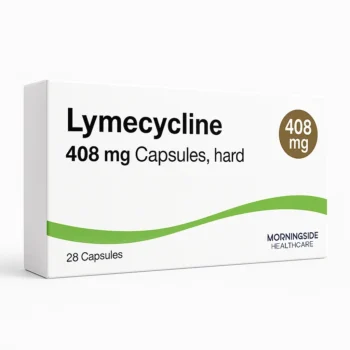
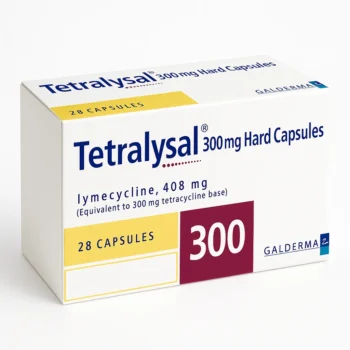
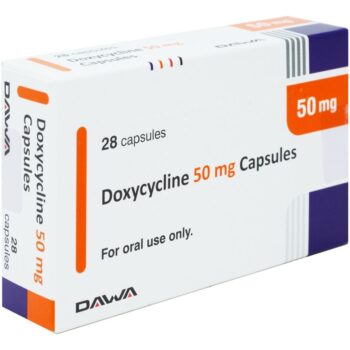
Prescription acne treatments are stronger than over-the-counter options and target moderate to severe acne. They include antibiotics like doxycycline and topical creams that reduce inflammation and bacteria on the skin.
Yes. You can complete an online medical consultation with Pharmaceutra. A UK-registered prescriber will review the information you provide and determine whether a prescription treatment is appropriate for you.
There is no single treatment that is best for everyone. The most appropriate option depends on factors including the type and severity of acne, the areas affected, previous treatments, your medical history and whether certain medicines are suitable for you.
Acne treatments usually require consistent use and results are not immediate. Some treatments may begin improving acne within several weeks, while a fuller response may take longer. NHS guidance notes that many acne treatments can take around 2 to 3 months before significant improvement is seen.
Yes. Acne commonly affects the face, back and chest. Treatment depends on how widespread and severe the acne is. Oral medicines may sometimes be considered for moderate to severe acne or areas that are difficult to treat using topical products alone.
No. Picking or squeezing spots can make inflammation worse and increase the risk of permanent scarring.
Yes. More severe acne, particularly nodules and cysts, can cause permanent scarring. Treating persistent or severe acne appropriately and avoiding picking or squeezing spots can help reduce the risk.
Reducing the underlying inflammation can help improve acne-related redness. Use treatments as directed, avoid squeezing spots and keep your skincare routine gentle. Harsh scrubs or frequent washing can irritate the skin further.
Some topical acne treatments can cause dryness, redness, peeling, burning or stinging, particularly when treatment is first started. NICE advises that some topical treatments can be introduced gradually where appropriate to help reduce irritation. Follow the instructions supplied with your medicine and contact a healthcare professional if you experience significant or persistent side effects.
Some acne medicines are not suitable during pregnancy or when planning a pregnancy. In particular, topical retinoids and oral tetracycline antibiotics have important pregnancy restrictions. Tell your prescriber if you are pregnant, breastfeeding, think you may be pregnant or are planning a pregnancy before starting treatment.
No. Acne is not simply caused by dirty skin. Excessive washing can actually irritate acne-prone skin. A gentle cleansing routine is usually more appropriate than frequent scrubbing.