

Difficulty getting or maintaining an erection occasionally is common. However, when erectile dysfunction happens regularly, it can affect confidence, relationships and sexual wellbeing.
Persistent erection problems may also sometimes be associated with conditions such as high blood pressure, high cholesterol, diabetes, anxiety, depression or hormonal problems. If ED continues to happen, it is important to seek medical advice so that any underlying cause can be considered.
Erectile dysfunction can affect people differently. Some may have difficulty achieving an erection at all, while others can get an erection but find it difficult to maintain.
Common signs include:
You may still experience erections at other times, such as when waking in the morning, depending on the underlying cause.
Occasional difficulty does not necessarily mean you have erectile dysfunction. Problems caused by temporary stress, tiredness or excess alcohol often improve once the trigger has passed.
Erectile dysfunction can have physical, psychological or lifestyle-related causes. In many cases, more than one factor may contribute.
Certain medicines, including some treatments for high blood pressure and depression, may contribute to erection problems in some people. Do not stop prescribed medication without first discussing it with a healthcare professional.
Persistent ED can sometimes be an early indication of cardiovascular or metabolic health problems, so repeated symptoms should not simply be ignored.
Alongside appropriate treatment, making healthy lifestyle changes may help improve erectile function and overall health.
Being overweight can contribute to health problems associated with erectile dysfunction.
Regular physical activity supports cardiovascular health and healthy blood circulation.
Smoking can damage blood vessels and affect blood circulation. Stopping smoking may benefit both erectile function and your wider cardiovascular health.
Drinking excessive amounts of alcohol can make it more difficult to achieve or maintain an erection.
Stress and performance anxiety can contribute to erection problems.
Conditions such as diabetes, high blood pressure and high cholesterol can contribute to erectile dysfunction.
Occasional erection problems are common, but you should speak to a GP or healthcare professional if erectile dysfunction keeps happening.
Repeated ED may sometimes be linked to an underlying health condition that requires treatment.
Seek medical advice if:
Important: ED Medicines and Nitrates
Medicines such as sildenafil and tadalafil are generally not suitable for use with nitrate medicines, including glyceryl trinitrate (GTN), which may be used for chest pain.
Taking these medicines together can cause a potentially dangerous fall in blood pressure. Always tell your prescriber about all medicines you currently take.
There is no specific food that causes erectile dysfunction in everyone. However, certain food and drink considerations may be important when using ED medicines.
NHS guidance advises avoiding grapefruit or grapefruit juice while taking sildenafil or tadalafil because it can affect the medicine and may increase the likelihood of side effects.
Sildenafil may take longer to work when taken after a large meal.
Drinking too much alcohol can make it harder to achieve an erection.
ED medicines such as sildenafil and tadalafil should not be combined with recreational drugs containing nitrates, commonly known as “poppers”, because this can increase the risk of serious side effects.
There is no particular food that has been proven to cure erectile dysfunction.
However, eating a healthy, balanced diet can support cardiovascular health, weight management and general wellbeing, which are important because blood vessel health plays a role in erectile function.
A balanced diet can include:
A healthy diet should form part of an overall lifestyle approach alongside regular physical activity, stopping smoking, reducing excessive alcohol intake and managing underlying health conditions.
Food and lifestyle changes should not replace medical assessment when erection problems are persistent.
Erectile dysfunction, also known as ED or impotence, is when you are unable to get an erection or unable to maintain one for long enough to have sex.
Occasional erection difficulties are common, but persistent problems should be discussed with a healthcare professional.
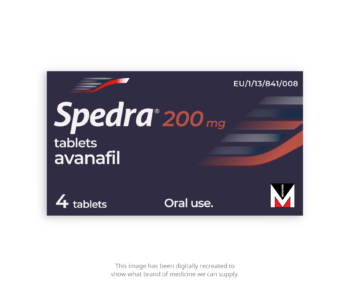
There is no single ED treatment that is best for everyone. Sildenafil, tadalafil and avanafil are commonly used PDE-5 inhibitors, but the most appropriate option depends on your medical history, other medications, how often you require treatment and how you respond to the medicine.
A prescriber can assess which treatment is suitable for you.
Yes. Pharmaceutra provides access to erectile dysfunction treatments following an online medical consultation.
A UK-registered prescriber will review your health information, current medicines and medical history before deciding whether your requested treatment is suitable.
Medicines such as sildenafil, tadalafil and avanafil increase blood flow to the penis.
This makes it easier to achieve and maintain an erection when sexually stimulated. These medicines do not cause an automatic erection and sexual arousal is still required.
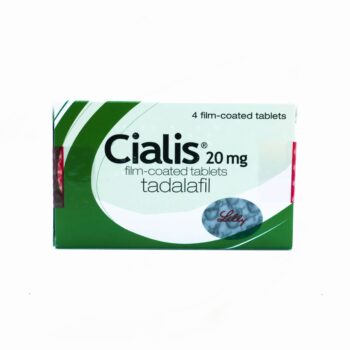
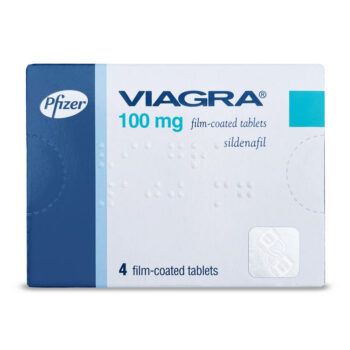
Viagra contains sildenafil, while Cialis contains tadalafil.
They work in a similar way but differ in how quickly they take effect and how long their effects may remain available.
Tadalafil can remain effective for up to 36 hours, while sildenafil is generally used closer to the expected time of sexual activity. Your prescriber can help determine which option is more suitable for you.
For erectile dysfunction, sildenafil is commonly taken around 1 hour before sexual activity, although the time it takes to work can vary between individuals.
Always take it according to the instructions provided by your prescriber or medicine leaflet.
Tadalafil, the active ingredient in Cialis, can have effects for up to 36 hours.
This does not mean you will have a continuous erection. The medicine helps you achieve an erection when you become sexually aroused during that period.
ED medicines are designed to improve the physical ability to achieve an erection. They do not directly increase sexual desire.
If you are experiencing persistent loss of libido as well as erectile dysfunction, speak to a healthcare professional because another physical or psychological factor may be contributing.
Yes. Stress, anxiety and depression can contribute to erectile dysfunction.
Performance anxiety can also make erection difficulties worse. Addressing stress or psychological factors through counselling, therapy or other appropriate support may help.
Drinking too much alcohol can make it difficult to achieve or maintain an erection.
Excessive alcohol use can also make some ED medicine side effects more likely, so moderation is important.
Smoking is associated with vascular problems and can contribute to erectile dysfunction. Stopping smoking can improve your overall cardiovascular health and may help reduce factors associated with ED.
Yes. Persistent erectile dysfunction may be associated with conditions including diabetes, high blood pressure, high cholesterol and hormonal problems.
This is one reason ongoing ED should be medically assessed rather than only treated as a sexual performance issue.
ED medicines such as sildenafil and tadalafil should generally not be taken with nitrate medicines such as GTN, as the combination can cause a dangerous fall in blood pressure.
Make sure your prescriber knows about all medicines you take before starting erectile dysfunction treatment.
Do not take more than the recommended dose.
Several factors can affect how well ED medication works, including timing, food, alcohol, sexual stimulation and the underlying cause of erectile dysfunction.
If your prescribed treatment repeatedly does not work, speak to a healthcare professional. They may review how you are using the medicine, assess possible underlying causes or discuss alternative treatment options.
PDE-5 inhibitors such as sildenafil, tadalafil and avanafil are widely used treatments, but they are not suitable for everyone.
Your medical history, cardiovascular health and other medicines should be assessed before treatment. Always use ED medication according to the instructions provided by your prescriber.
An erection lasting more than 3 to 4 hours requires emergency medical treatment.