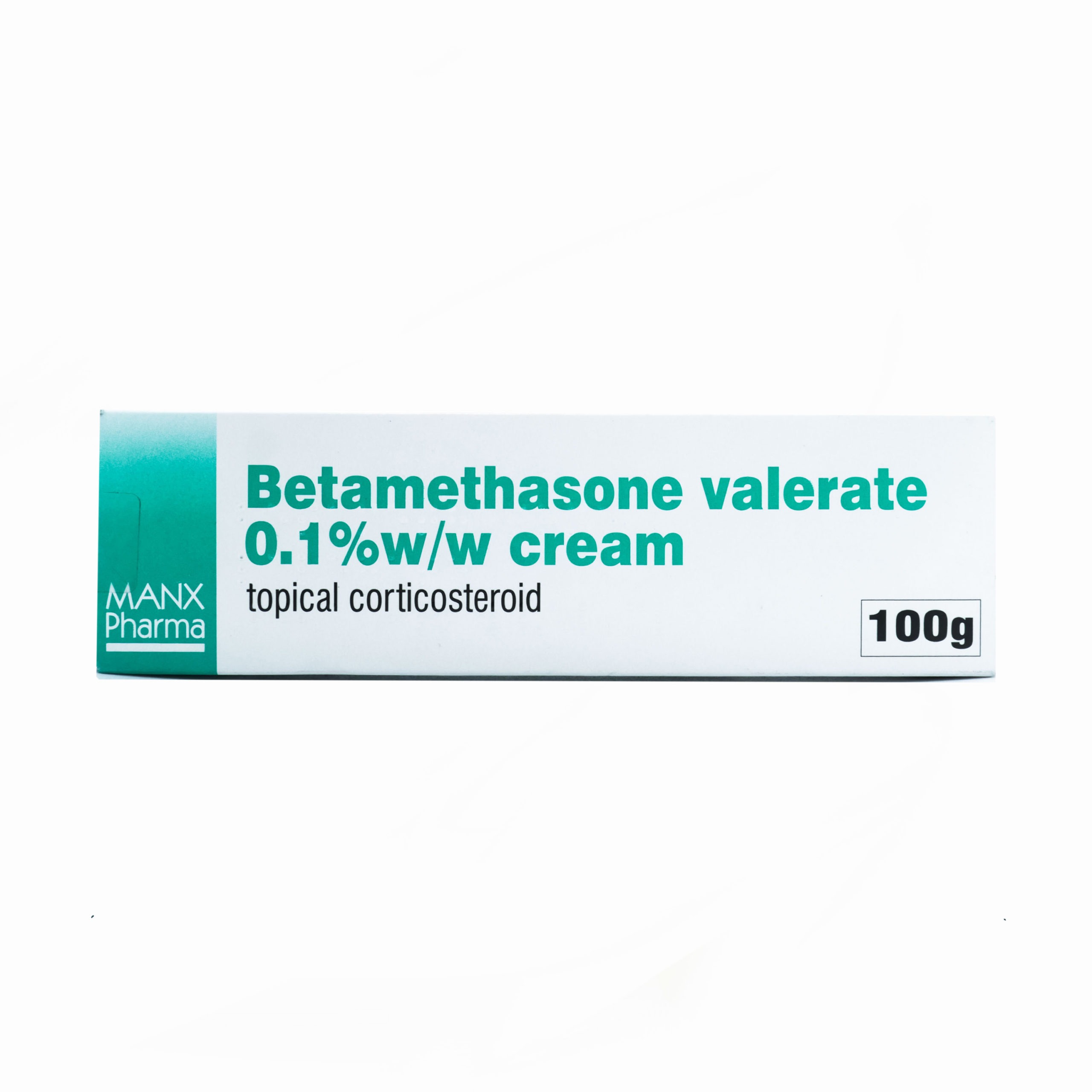
Betamethasone 0.1% Cream

Betamethasone skin treatments are used to treat itching, swollen and irritated skin. They can help with conditions such as eczema, contact dermatitis and psoriasis as it reduces the swelling, itching, and redness that can occur in these types of conditions.

£15.99

Start Assessment
Download Patient Leaflet (PIL)

Directions

You must follow the directions given by your doctor when using Betamethasone.

If you are self-medicating, you must read and follow the instructions provided on the prescription label.

  • Wash your hands and dry them thoroughly before and after using Betamethasone.
  • Apply a thin layer of the medication evenly on the affected area, spread it and rub gently.
  • Keep rubbing until the medication clears. You must not rinse it off immediately for optimum results.
  • When using Betamethasone on the diaper area of an infant, avoid using tight-fitting pants or diapers.
Ingredients

Betamethasone dipropionate, propylene glycol, propylene glycol stearate, white petrolatum, and white wax.

Warnings

  • You must not dress the area under treatment with a bandage or clothing unless instructed by your doctor.
  • Inform your doctor of any underlying allergic or medical conditions
  • Inform your doctor of any prescription medication you may be taking.
  • Inform your doctor of your pregnancy and breastfeeding status
  • Do not use Betamethasone after its expiry date
  • Do not use Betamethasone near a flame, heat or when smoking
  • Betamethasone is only meant for external use, therefore, you must observe caution so that it is not accidentally ingested, placed in the eyes, injured, bruised, wounded or sensitive skins. If it does get on these areas, thoroughly clean them with water.
FAQ’s

Got A Question?

Need More Help? Get In Touch With Us

  • Betamethasone cream is a topical steroid used to treat inflammatory skin conditions such as eczema, psoriasis, and dermatitis. It helps reduce redness, swelling, and itching.
  • Apply a thin layer of Betamethasone cream to the affected area once or twice daily, as directed by your doctor. Do not use it on broken skin or near the eyes unless advised.
  • Betamethasone cream is usually prescribed for short-term use—typically no longer than 2 to 4 weeks. Prolonged use can increase the risk of side effects.
  • Betamethasone cream should generally be avoided on the face unless prescribed, as facial skin is more sensitive and prone to side effects like thinning.
  • Possible side effects of Betamethasone cream include skin thinning, irritation, dryness, and stretch marks. These are more likely with long-term or excessive use.